
glazier's fallacy
glazier's fallacy noun: the notion that destruction is good for an economy because it stimulates demand for goods and services. It is generally held to be a fallacy because there is no net benefit macroeconomically, no matter how much money some particular businesses may make.

Noun
glazier's fallacy
- The notion that destruction is good for an economy because it stimulates demand for goods and services. It is generally held to be a fallacy because there is no net benefit macroeconomically, no matter how much money some particular businesses may make.
Origin of glazier's fallacy
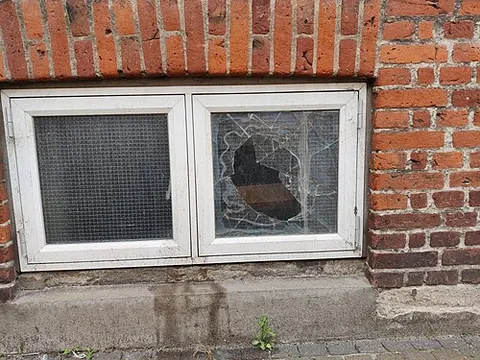
From the parable of the broken window, in which destruction of window glass is said to be good because it provides some business for glaziers.
Questions about glazier's fallacy
- What does glazier's fallacy mean?
- Glazier's fallacy means the notion that destruction is good for an economy because it stimulates demand for goods and services. It is generally held to be a fallacy because there is no net benefit macroeconomically, no matter how much money some particular businesses may make.
- What part of speech is glazier's fallacy?
- Glazier's fallacy is a noun.
Words near glazier's fallacy in the dictionary
Source and license
Adapted from Wiktionary: glazier's fallacy (page history and authors). Text available under the Creative Commons Attribution-ShareAlike 4.0 license. Word.ws reformatted the entry and added links. Wiktionary data of 2026-09-02.
Last updated:
Cite this entry: “glazier's fallacy.” Word.ws, https://word.ws/glazier%27s_fallacy. Based on Wiktionary, CC BY-SA 4.0.