
leucite
Syllables: leu·cite/ˈluːsaɪt/US/ˈlusaɪt/
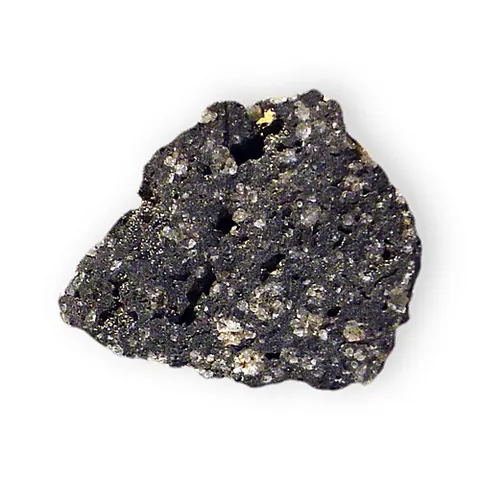
leucite noun: a mineral of silica-poor igneous, plutonic and volcanic rocks. Chemically, leucite is a potassium feldspar with insufficient silica to satisfy the chemical bonds. Because of the unfilled bonds, leucite weathers rapidly and can only be seen as inclusions in freshly broken rock.

Noun
leucite (countable and uncountable, plural leucites)
Forms of leucite
| plural | leucites |
|---|
Origin of leucite
From Ancient Greek λευκός (leukós, “white”) + -ite.
Words formed from leucite
Questions about leucite
- What does leucite mean?
- Leucite means a mineral of silica-poor igneous, plutonic and volcanic rocks. Chemically, leucite is a potassium feldspar with insufficient silica to satisfy the chemical bonds. Because of the unfilled bonds, leucite weathers rapidly and can only be seen as inclusions in freshly broken rock.
- What part of speech is leucite?
- Leucite is a noun.
- How do you pronounce leucite?
- Leucite is pronounced /ˈlusaɪt/ (US).
- What is the plural of leucite?
- The plural of leucite is leucites.
Words near leucite in the dictionary
Source and license
Adapted from Wiktionary: leucite (page history and authors). Text available under the Creative Commons Attribution-ShareAlike 4.0 license. Word.ws reformatted the entry and added links. Wiktionary data of 2026-09-02.
Last updated:
Pronunciation audio from Wikimedia Commons, each file under its own free license: LL-Q1860 (eng)-Vealhurl-leucite.wav.
Cite this entry: “leucite.” Word.ws, https://word.ws/leucite. Based on Wiktionary, CC BY-SA 4.0.