
plant
/plɑːnt/
More pronunciations (1)Fewer pronunciations
Australia/plɐːnt/
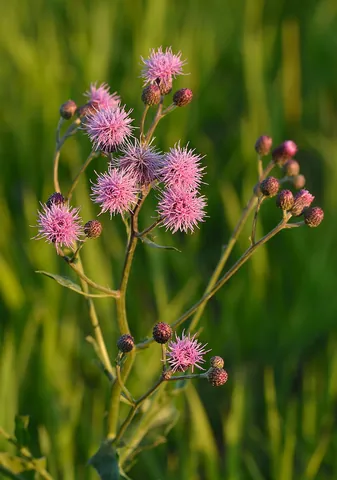
plant noun: an organism that is not an animal, especially an organism capable of photosynthesis, and typically a small or herbaceous organism of this kind, rather than a tree.

Noun
plant (plural plants)
- An organism that is not an animal, especially an organism capable of photosynthesis, and typically a small or herbaceous organism of this kind, rather than a tree.
- The garden had a couple of trees, and a cluster of colourful plants around the border.
- In plants, the ability to recognize self from nonself plays an important role in fertilization, because self-fertilization will result in less diverse offspring than fertilization with pollen from another individual. Many genes with reproductive roles also have antibacterial and immune functions...2013 May-June, Katrina G. Claw, “Rapid Evolution in Eggs and Sperm”, in American Scientist, volume 101, number 3, page 217
- An organism of the kingdom Plantae, and now specifically, a living organism of the Embryophyta (land plants) or of the Chlorophyta (green algae), a eukaryote that includes double-membraned chloroplasts in its cells containing chlorophyll a and b, or any organism closely related to such an organism.
- Now specifically, a multicellular eukaryote that includes chloroplasts in its cells, which have a cell wall.
- A young tree, vine, shrub, or herb; a sapling.
- Take, Shepherd, take a Plant of ſtubborn Oak; / And labour him with many a ſturdy ſtroke: / Or with hard Stones, demoliſh from afar / His haughty Creſt, the feat of all the War.1694, “The Third Book of Virgil's Georgicks”, in John Dryden, transl., The Annual Miscellany, for the Year 1694, 2nd edition, London: Jacob Tonson, published 1708, page 185
- Any creature that grows on soil or similar surfaces, including plants and fungi.
- Some plants, such as mushrooms found in the wild, are difficult to identify. Some plants are poisonous, and an inexperienced individual may make mistakes in identification of wild plants, with tragic results.2007 November 19, Ping-chung Leung, Harry H S Fong, Alternative Treatment For Cancer, World Scientific, →ISBN, page 205
- A factory or other industrial or institutional building or facility.
- The company has production plants in three countries.
- My dad worked at the plant for 27 years.
- Machinery and other supplies and equipment, such as the kind used in heavy industry, light industry, earthmoving, or construction.
- Near-synonym: capital equipment
- industrial plant
- Synonyms:
- capital equipment
- The equipment and work animals of a drover or other rural worker travelling through the countryside.
- Nigger smoke-talks had told him of the patrol and of Felix’s mustering plant. Once he had absorbed the ‘outside’ news the night’s new the conversation started in earnest.1937, Ion L. Idriess, Over the Range, Sydney: Angus and Robertson, published 1947, page 44
- An object placed surreptitiously in order to cause suspicion to fall upon a person.
- That gun’s not mine! It’s a plant! I’ve never seen it before!
- A stash or cache of hidden goods.
- Anyone assigned to behave as a member of the public during a covert operation (as in a police investigation).
- A person, placed amongst an audience, whose role is to cause confusion, laughter etc.
Show 7 more meaningsShow fewer meanings
- A play in which the cue ball knocks one (usually red) ball onto another, in order to pot the second; a set.
- O’Sullivan risked a plant that went badly astray, splitting the reds.2008 April 28, Phil Yates, The Times
- The company's product range includes tools, construction plant, diggers, dumpers and rollers.2007 January 26, “HSS buys Laois tool hire business”, in RTÉ News, archived from the original on 03 Feb 2025
- The sole of the foot.
- Knotty legs, and plants of clay, / Seek for eaſe, or love delay.1611, Ben Jonson, “Oberon, the Faery Prince”, in The Works of Ben Jonson, volume V, London: D. Midwinter et al., published 1756, page 384
- A plan; a swindle; a trick.
- It wasn’t a bad plant that of mine, on Fikey, the man accused of forging the Sou’ Westeru Railway debentures—it was only t’ other day—because the reason why? I’ll tell you.1850 March 30, Charles Dickens, “A Detective Police Party”, in Household Words, volume 1, page 413
- Now, Max, by what combination of circumstances is a rogue to know my password, to be able to forge my signature, to possess himself of my key, and to resemble me personally? And, finally, how is he possibly to determine beforehand whether there is anything in my safe to repay so elaborate a plant?1914, Ernest Bramah, Max Carrados
- An oyster which has been bedded, in distinction from one of natural growth.
- A young oyster suitable for transplanting.
- A system, such as a motor, whose behaviour is being regulated or controlled by a control system.
- A position in the street to sell from; a pitch.
Verb
plant (third-person singular simple present plants, present participle planting, simple past and past participle planted)
- To place (a seed or plant) in soil or other substrate in order that it may live and grow.
- Synonyms:
- seed
- To furnish or supply with plants.
- to plant a garden, an orchard, or a forest
- His father had given him a little square bed in a corner of the garden, which he had planted with corn two days before.1848, Jacob Abbott, “Story I. Labour Lost.—Elky.”, in Rollo at Work: Or, The Way for a Boy to Learn to be Industrious, London: James S. Hodson, page 5
- To place (an object, or sometimes a person), often with the implication of intending deceit.
- That gun’s not mine! It was planted there by the real murderer!
- Not only that, I thought, but cynics would now theorise that the interview piece was a PR exercise, a planted story designed as damage-limitation in the event that some probing journalist revealed all about the love nest.1999, Terry Prone, The Skywriter, page 182
- To place or set something firmly or with conviction.
- to plant cannon against a fort; to plant a flag; to plant one’s feet on solid ground
- Plant your feet firmly and give the rope a good tug.
- To place in the ground.
- God moves in a myſterious way, / His wonders to perform; / He plants his footſteps in the ſea, / And rides upon the ſtorm.1780, William Cowper, “Light Shining out of Darkneſs”, in Twenty-ſix Letters on Religious Subjects […] To which are added Hymns […] , 4th edition, page 252
- Sarah, she kissed each of her grandparents on the forehead. They were planted in a graveyard behind the church.2007, Richard Laymon, Savage, page 118
- To engender; to generate; to set the germ of.
- It engenders choler, planteth anger.c. 1590–1592 (date written), William Shakespeare, “The Taming of the Shrew”, in Mr. William Shakespeares Comedies, Histories, & Tragedies […] (First Folio), London: […] Isaac Iaggard, and Ed[ward]...
- To furnish with a fixed and organized population; to settle; to establish.
- to plant a colony
- planting of countries like planting of woods1625, Francis [Bacon], “Of Plantations”, in The Essayes […], 3rd edition, London: […] Iohn Haviland for Hanna Barret, →OCLC
- To introduce and establish the principles or seeds of.
- to plant Christianity among the heathen
- To set up; to install; to instate.
- We will plant some other in the throne.c. 1593 (date written), William Shakespeare, “The Tragedy of Richard the Third: […]”, in Mr. William Shakespeares Comedies, Histories, & Tragedies […] (First Folio), London: […] Isaac Iaggard, and...
Proper noun capitalized: Plant
Plant (countable and uncountable, plural Plants)
- A surname from English.
- A surname from French.
- A surname, variant of Plante.
- An unincorporated community in Van Buren County, Arkansas, United States.
plant meaning in Hindi, Tamil, Marathi and Urdu
plant in Hindi
- organism capable of photosynthesis
- पौधा paudhā
- a small or herbaceous organism, rather than a tree
- पौधा paudhā
- to place in soil or other substrate in order that it may live and grow
- रोपना ropnā, बोना bonā
plant in Tamil
- organism capable of photosynthesis
- செடி ceṭi, தாவரம் tāvaram
- person behaving as a member of the public during a covert operation
- உளவாளி uḷavāḷi
- to place in soil or other substrate in order that it may live and grow
- நடு naṭu
plant in Marathi
- organism capable of photosynthesis
- रोपे rope
- to place in soil or other substrate in order that it may live and grow
- पेरणे perṇe, लावणे lāvṇe
plant in Urdu
- organism capable of photosynthesis
- نَبَات nabāt, پَودا paudā
More languagesFewer languages
- plant in Bengali
- গাছ gach
- plant in Telugu
- మొక్క mokka, నాటు nāṭu
- plant in Malayalam
- സസ്യം sasyaṁ, നാട്ടുക nāṭṭuka, ചെടി ceṭi, നടുക naṭuka
- plant in Kannada
- ಗಿಡ giḍa, ಸಸ್ಯ sasya
- plant in Punjabi
- ਬੂਟਾ būṭā, ਪੌਦਾ paudā
- plant in Gujarati
- છોડ choḍ
- plant in Odia
- ଉଦ୍ଭିଦ udbhida
- plant in Sanskrit
- पादप pādapa, वीरुध् vīrúdh, काञ्ची kāñcī, रोपयति ropayati
- plant in Sinhala
- පැළය pæḷaya
- plant in Assamese
- গছ-গছনি gos-gosni, ৰোৱা rüa, ৰোৱণ rün
- plant in Nepali
- बिरूवा birūwā
- plant in Pashto
- نبات nabāt
- plant in Tagalog
- halaman, tanim, itanim, magtanim
- plant in Arabic
- نَبَات nabāt, زَرَعَ zaraʕa, غَرَسَ ḡarasa
- plant in Malay
- tumbuhan, tanam
- plant in Indonesian
- tumbuhan, tanam
- plant in Persian
- کاشتن kâštan
- plant in Thai
- พืช pʉ̂ʉt, ปลูก bplùuk, เพาะ pɔ́
- plant in Vietnamese
- thực vật, cây, trồng
- plant in Myanmar
- အပင် a.pang, စိုက် cuik
- Sindhi
- ٻوٽا buta
- Dhivehi
- ގަސް gas
- Dzongkha
- ཤིང་། shing
Examples of plant in a sentence
- A massive amount of plant has been trucked in and installed over the past two years, and production is expected to begin soon.
- The US group does have another vaccine plant in Ireland – in Carlow – but it is understood the Dundalk site is the only live virus vaccine facility in MSD’s Irish network.2025 6 Jan, Dominic Coyle, “Drug giant MSD buys Wuxi’s Irish vaccines plant in €500m deal”, in The Irish Times, archived from the original...
- And Dan indignantly waved his long, brown arm over the plant, which consisted of the engine, the boring apparatus, and a dilapidated spring-cart that was pulled by a lean, lonely-looking horse[.]1911, ‘Steel Rudd’, The Book of Dan, Brisbane: University of Queensland Press, published 1970, page 1:
- With your mouse, you plant a garden by selecting plants from a database of 450 of the most common flowers, shrubs, and trees.1991 November 26, Don Trivette, “How Does Your Garden Grow? With Silver Bells And Mouse Button Clicks”, in PC Mag, volume 10, number 20...
- First Anelka curled a shot wide from just outside the box, then Lampard planted a header over the bar from Bosingwa's cross.2011 January 15, Sam Sheringham, “Chelsea 2 - 0 Blackburn Rovers”, in BBC:
Synonyms of plant
Forms of plant
| Noun | |
|---|---|
| plural | plants |
| Verb | |
| third-person singular present | plants |
| present participle | planting |
| past participle | planted |
| past | planted |
| Proper noun | |
| plural | Plants |
Origin of plant
From Middle English plante, from Old English plante (“young tree or shrub, herb newly planted”), from Proto-West Germanic *plantu, from Latin planta (“sprout, shoot, cutting”). Broader sense of "any vegetable life, vegetation generally" is from Old French plante. Doublet of clan (borrowed through Celtic languages) and planta (directly from Latin). The verb is from Middle English planten, from Old English plantian (“to plant”), from Latin plantāre, later influenced by Old French planter. Compare also Dutch planten (“to plant”), German pflanzen (“to plant”), Swedish plantera (“to plant”), Icelandic planta (“to plant”). The factory and machinery senses comes from the Latin sense of "any vegetable production that serves to propagate the species," which refers to something that produces.
An English and French surname, from the noun plant. Also compare Plantier.
Words formed from plant
- air plant
- Albany pitcher plant
- antiplant
- ant-plant
- ant plant
- artillery plant
- ashplant
- assembly plant
- assplant
- asthma-plant
- Australian pitcher plant
- balloon plant
- basket plant
- batching plant
- bean plant
- bedding plant
- button plant
- California pitcher plant
- canoe plant
- caricature plant
- cast-iron plant
- castor oil plant
- century plant
- chameleon plant
- chandelier plant
- chemical plant
- chenille plant
- coal plant
- combined cycle power plant
- compass plant
- cone plant
- container plant
- control-plant
- cooling plant
- coral plant
- corpse plant
- cup-and-saucer plant
- cup plant
- curry plant
- cushion plant
- dancing plant
- deplant
- dinosaur plant
- displant
- dove plant
- egg-plant
- eggplant
- elbow plant
- eternity plant
- explant
- face-plant
- fiber plant
- firecracker plant
- fire plant
- flowering plant
- food plant
- fried-egg plant
- friendship plant
- gas plant
- ghost plant
Phrases with plant
- ZZ plant
- bee plant
- ice plant
- pie plant
- plant bug
- plant out
- plant pot
- plant sat
- plant sit
- pot plant
- tea plant
- UFO plant
143 more phrasesFewer phrases
- wax plant
- glue plant
- gout plant
- hand plant
- host plant
- jade plant
- life plant
- nuke plant
- phys plant
- plant bugs
- Plant City
- plant feet
- plant food
- plant foot
- plant lice
- plant milk
- plant pots
- plant room
- plant sits
- rock plant
- root plant
- seed plant
- snow plant
- soap plant
- toot plant
- gnome plant
- honey plant
- house plant
- jelly plant
- lefse plant
- money plant
- pilot plant
- plant eater
- plant foods
- plant louse
- plant milks
- plant point
- plant rooms
- poker plant
- power plant
- shame plant
- snake plant
- water plant
- zebra plant
- gopher plant
- humble plant
- icicle plant
- indoor plant
- mother plant
- oyster plant
- peaker plant
- pebble plant
- pickle plant
- plant a seed
- plant butter
- plant eaters
- plant litter
- plant parent
- plant points
- plant sitted
- potted plant
- prayer plant
- rubber plant
- sailor plant
- sewage plant
- shrimp plant
- spider plant
- velcro plant
- coaling plant
- grapple plant
- insulin plant
- mimicry plant
- packing plant
- pitcher plant
- plant butters
- plant hormone
- plant kingdom
- plant parents
- plant science
- plant sitting
- plant teacher
- rainbow plant
- tea oil plant
- trigger plant
- unicorn plant
- vinegar plant
- baseball plant
- bottling plant
- goldfish plant
- hedgehog plant
- industry plant
- lipstick plant
- monument plant
- mosquito plant
- obedient plant
- physical plant
- plant hormones
- plant of Circe
- plant sciences
- plant teachers
- radiator plant
- scorpion plant
- shoo-fly plant
- umbrella plant
- vascular plant
- companion plant
- hypocrite plant
- joypowder plant
- nosebleed plant
- piggyback plant
- plant community
- polka-dot plant
- semaphore plant
- sensitive plant
- telegraph plant
- toothache plant
- castor-oil plant
- missionary plant
- Panama hat plant
- plant morphology
- plant one's feet
- rice-paper plant
- roast-beef plant
- shoebutton plant
- waterwheel plant
- wind power plant
- Chinese hat plant
- ginger beer plant
- Good Friday plant
- Mexican hat plant
- plant communities
- poison dart plant
- desalination plant
- jumping plant lice
- Mickey Mouse plant
- non-vascular plant
- resurrection plant
- Swiss cheese plant
- World's Fair plant
- jumping plant louse
- nuclear power plant
- purple velvet plant
- tarnished plant bug
Words that rhyme with plant
Questions about plant
- What does plant mean?
- Plant means an organism that is not an animal, especially an organism capable of photosynthesis, and typically a small or herbaceous organism of this kind, rather than a tree.
- What is plant in Hindi?
- Plant in Hindi is पौधा (paudhā), रोपना (ropnā), बोना (bonā). See Plant meaning in Hindi.
- How do you use plant in a sentence?
- A massive amount of plant has been trucked in and installed over the past two years, and production is expected to begin soon.
- What part of speech is plant?
- Plant can be a noun, a verb or a proper noun.
- How do you pronounce plant?
- Plant is pronounced /plɑːnt/ (UK).
- What is the plural of plant?
- The plural of plant is plants.
Words near plant in the dictionary
Source and license
Adapted from Wiktionary: plant (page history and authors); Plant (page history and authors); काञ्ची (Sanskrit) (page history and authors). Text available under the Creative Commons Attribution-ShareAlike 4.0 license. Word.ws reformatted the entry and added links. Wiktionary data of 2026-09-02.
Last updated:
Pronunciation audio from Wikimedia Commons, each file under its own free license: LL-Q1860 (eng)-I learned some phrases-plant.wav, en-us-plant.ogg.
Cite this entry: “plant.” Word.ws, https://word.ws/plant. Based on Wiktionary, CC BY-SA 4.0.