
rouse
UK/ɹaʊz/
More pronunciations (1)Fewer pronunciations
Australia/ɹæɔs/
rouse verb: to cause (something) to be (more) active or to move; to agitate, to stir up.
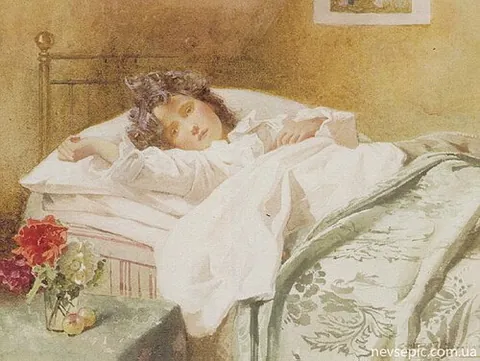

Verb (1)
rouse (third-person singular simple present rouses, present participle rousing, simple past and past participle roused)
- To cause (something) to be (more) active or to move; to agitate, to stir up.
- Thee water is rowſed, they [two serpents] do friſke with floũce [flounce] to yͤ ſhoare ward, / Thee land with ſtaring eyes bluddy and firie beholding: […]1582, “The Second Booke of Virgil His Æneis”, in Richard Stanyhurst, transl., The First Foure Bookes of Virgils Æneis, […], London: […] Henrie Bynneman […], published 1583, →OCLC, page 27
- And the vvhole family, therevvith adredd, / Raſhly out of their rouzed couches ſprong, / And to the troubled chamber all in armes did throng.1590, Edmund Spenser, “Book III, Canto I”, in The Faerie Queene. […], London: […] [John Wolfe] for William Ponsonbie, →OCLC, stanza 62, page 408
- To provoke (someone) to react (for example, in anger or annoyance); to spur; also, to annoy, to tease.
- This day is called the day of Cryſpin, / He that outliues this day, and ſees old age, / Shall ſtand a tiptoe vvhen this day is named, / And rovvſe him at the name of Cryſpin.1599 (date written), [William Shakespeare], The Cronicle History of Henry the Fift, […] (First Quarto), London: […] Thomas Creede, for Tho[mas] Millington, and Iohn Busby […], published 1600, →OCLC...
- The emperor is roused by this alarm, and the frontiers of all the French dominions are in danger of being insulted [in] the ensuing campaign.1709 April 24 (Gregorian calendar), Isaac Bickerstaff [et al., pseudonyms; Richard Steele], “Wednesday, April 14, 1709”, in The Tatler, number 2; republished in [Richard Steele], editor, The Tatler...
- Synonyms:
- inflame, set off, affront, aggravate, anger, antagonize, awrath, burn up, cheese off, cross
- Originally chiefly followed by up: to cause (an emotional reaction, a feeling, etc.); to excite, to incite, to stir up.
- to rouse the emotions or passions
- [Y]ou call upon the nobles to rovvze vp their noble Chriſtian zeale and magnanimous courage; […]1637 June 24 (date delivered; Gregorian calendar), Peter Heylyn, “The Conclusion”, in A Briefe and Moderate Answer, to the Seditious and Scandalous Challenges of Henry Burton, […], London: […]...
- Sometimes followed by up: to disturb (someone) from a state of apathy, comfort, etc.
- But it [trial by jury] needs only to be minutely examined, and properly valued, to rouze the nation to preſerve it unimpaired, for the benefit of the preſent generation, and that vve may tranſmit it to poſterity uncontaminated and undiminiſhed.1785, a country gentleman [pseudonym], “To the Right Honourable Earl Mansfield”, in William Jones, M[anasseh] Dawes, England’s Alarm! On the Prevailing Doctrine of Libels, as Laid down by the Earl of...
- Sometimes followed by up: to wake (oneself or someone) from deep thought, or rest or sleep; to awaken.
- VVhen vve be brought to this point that vve muſt be fayne to looke vnto God: vve begin after a ſort too rouze vp ourſelues, ſo as vvee be no more ſo careleſſe and drovvzie as vvee vvere: […]1574, Iohn Caluin [i.e., John Calvin], “The Nineteenth Sermon, which is the Thirde vppon the Fifth Chapter”, in Arthur Golding, transl., Sermons of Master Iohn Caluin, vpon the Booke of Iob. […]...
- [W]e thinke the Egle-vvinged pride / Of skie-aſpiring and ambitious thoughts, / VVith rituall-hating enuy ſet on you / To vvake our peace, vvhich in our Countries cradle / Dravves the ſvveet infant breath of gentle ſleepe / VVhich ſo rouzde vp vvith boiſtrous vntunde drummes, / And grating ſhocke...1595 December 9 (first known performance), [William Shakespeare], The Tragedie of King Richard the Second. […] (First Quarto), London: […] Valentine Simmes for Androw Wise, […], published 1597...
- To lift up or raise (someone; or something, especially the head).
- [S]he caſt her dewed eyes aſ kance, / And ſpying me, gan rovvſe her heauie head, / And praide me pen her ſad and heauie chance, / And ſhe recounted it that preſent ſted, […]1584, Thomas Lodge, “Truths Complaint ouer England”, in An Alarum against Usurers. […], London: […] T[homas] Este, for Sampson Clarke, […], →OCLC, folio 37, verso
- […] Henry Bullingbrooke and hee / Being mounted, and both rovvſed in their Seates, / Their neighing Courſers daring of the Spurre, […]c. 1596–1599 (date written), William Shakespeare, “The Second Part of Henry the Fourth, […]. Epilogue.”, in Mr. William Shakespeares Comedies, Histories, & Tragedies […] (First Folio), London: […]...
- Sometimes followed by up: to cause (oneself) to be active or alert; to incite, to stir; also, to cause (oneself) to carry out a task, take action, etc.
- [A] puiſſant olyphant being brought to the place, the grehound ſeming to reioice at the greatnes of the beaſt, rouſed him, and after two or three queſtynges, he lept to the great Olyphante, and after a longe fight ouerthrew hym and kylled hym. So I doubt not but that ſome men […] whiche beeyng ones...1541, Thomas Elyote [i.e., Thomas Elyot], “The Preface. To All the Nobilitee of this Flourishyng Realme of England, Thomas Elyote Knight Desyreth Increase of Vertue and Honour.”, in [Aelius...
- [T]he truth beeing reuealed, enlighteneth reaſon; and that reaſon rovvſeth vp her ſelfe to reſt vpon truth.1587, Philip of Mornay [i.e., Philippe de Mornay], “The Preface to the Reader”, in Philip Sidney, Arthur Golding, transl., A Woorke Concerning the Trewnesse of the Christian Religion, […], London...
- Of a hawk: to shake (its own) feathers.
- Ill huſbandry drowſeth at fortune ſo awke, / good huſbandry rowſeth him ſelfe like a hawke.1570, Thomas Tusser, “Comparing Good Husband with Vnthrift His Brother, the Better Descerneth the Tone from the Tother”, in A Hundrethe Good Pointes of Husbandrie, Lately Maried vnto a Hundrethe Good...
- [G]rovves / The vvealth of Nature here, or Art? it ſhovves / As if Favonius, father of the Spring, / VVho, in the verdant Meads doth reigne ſole king, / Had rovvſd him here, and ſhooke his feathers, vvet / VVith purple ſvvelling Nectar?probably 1617 January 16 (first performance; Gregorian calendar), Benjamin Jonson [i.e., Ben Jonson], “The Vision of Delight Presented at Covrt in Christmas, 1617”, in The Workes of Benjamin Jonson....
- Of a person: to stretch (one's own) body.
- Chiefly of a bird: to cause (its crest, feathers, etc.) to become stiff or to stand up.
- And ouer, all vvith braſen ſcales vvas armd, / Like plated cote of ſteele, so couched neare, / That nought mote perce, ne might his corſe bee harmd / VVith dint of ſvverd, nor puſh of pointed ſpeare, / VVhich as an Eagle, ſeeing pray appeare, / His aery plumes doth rouze, full rudely dight, / So...1590, Edmund Spenser, “Book I, Canto XI”, in The Faerie Queene. […], London: […] [John Wolfe] for William Ponsonbie, →OCLC, stanza 8, page 157
- [T]he Circumſtance of the Serpent's rouzing his Creſt, vvhich brightens vvith Anger, finely images the ſhining of their Arms in the Night-time, as they vvere juſt lifted up to deſtroy him.1715, Alexander Pope, “Observations on the Third Book”, in Homer, translated by Alexander Pope, The Iliad of Homer, volume I, London: […] W[illiam] Bowyer, for Bernard Lintott […], →OCLC, section V...
- To disturb (someone's sleep).
- [F]orthvvith from all VVindes / The living, and forthvvith the cited dead / Of all paſt Ages to the general Doom / Shall haſt'n ſuch a peal ſhall rouſe thir ſleep.1667, John Milton, “Book III”, in Paradise Lost. […], London: […] [Samuel Simmons], and are to be sold by Peter Parker […]; [a]nd by Robert Boulter […]; [a]nd Matthias Walker, […], →OCLC, signature...
- To cause (game) to emerge from cover.
- to rouse a deer or other animal of the chase
- [I]f they wold vſe but a fewe nombre of boundes⸝ onely to harborowe or rouſe the game: and by their yoinyng to gyue knowlege, which way it fleeth: […]1531, Thomas Elyot, “The Auncient Huntyng of Greekes and Romanes”, in The Boke Named the Governour […], London: […] Tho[mas] Bertheleti, →OCLC, 1st boke, folio 72, recto
Show 8 more meaningsShow fewer meanings
- To pull (a cable, rope, etc.) in a specified direction, especially to tighten it; to haul.
- Tom, you and the boy rouse the cable up—get about ten fathoms on deck, and bend it.1832, [Frederick Marryat], chapter V, in Newton Forster; or, The Merchant Service. […], volume (please specify |volume=I to III), London: James Cochrane and Co., […], →OCLC, page 71
- Sometimes followed by up: to carry out a task, take action, etc.
- Hubba [Ubba], that had harried the Engliſh, and now rovvzed vpon the nevves of King Elfreds victory and life; vvith thirty three ſhips ſailed from VVales, […]1611, Iohn Speed [i.e., John Speed], “Elfred the Twentie Third King of the West Saxons, and Twentie Fovrth Monarch of the Englishmen, […]”, in The History of Great Britaine under the Conquests of yͤ...
- Collect thy ſcattred ſenſes, and aduiſe, / Rouze vp (fond man) and anſvvere my replies.1624, Francis Quarles, “Sect[ion] 19”, in Iob Militant: With Meditations Divine and Morall, London: […] Felix Kyngston for George Winder, […], →OCLC, signature O2, verso
- Sometimes followed by up: to wake from deep thought, or rest or sleep; to awaken.
- Good things of Day begin to droope, and drovvſe; / VVhiles Nights black Agents to their Prey's doe rovvſe.c. 1606 (date written), William Shakespeare, “The Tragedie of Macbeth”, in Mr. William Shakespeares Comedies, Histories, & Tragedies […] (First Folio), London: […] Isaac Iaggard, and Ed[ward] Blount...
- Thoſe morning haunts are vvhere they ſhould be, at home, not ſleeping, […] but up, and ſtirring, […] in Summer as oft vvith the Bird that firſt rouſes, or not much tardier, to reade good Authors, or cauſe them to be read, till the attention bee vveary, or memory have his full fraught.1642 April, An Apology against a Pamphlet Call’d A Modest Confutation of the Animadversions upon the Remonstrant against Smectymnuus, London: […] E[dward] G[riffin] for Iohn Rothwell, […], →OCLC...
- Sometimes followed by up: of a characteristic or emotion: to be stirred up or to become stronger.
- But he though blind of ſight, / Deſpis'd and thought extinguiſh't quite, / VVith invvard eyes illuminated / His fierie vertue rouz'd / From under aſhes into ſudden flame, […]1671, John Milton, “Samson Agonistes, […].”, in Paradise Regain’d. A Poem. In IV Books. To which is Added, Samson Agonistes, London: […] J[ohn] M[acock] for John Starkey […], →OCLC, page 97, lines...
- Our indignation rouſes, and vve are eager to refute and expoſe ſuch deteſtable principles.1759, Adam Smith, “Of the Utility of this Constitution of Nature”, in The Theory of Moral Sentiments, London: […] A[ndrew] Millar, […]; Edinburgh: A[lexander] Kincaid and J. Bell, →OCLC, part II (Of...
- Of a hawk, or (generally) some other bird: to shake its feathers.
- And in the euening when daylight beginneth to faile, take off hir hood amongſt company of people by the candlelight vntill ſhe rowze and mewte, […]1575, George Turberuile [i.e.. George Turberville], “To Enseame a Falcon and to Make Hir”, in The Booke of Faulconrie or Hauking, for the Onely Delight and Pleasure of All Noblemen and Gentlemen...
- To move quickly; to rush.
- [A] king he placed, through whose Maieſtical Empyre / Theeſe blaſts rouze forward, or back by his regal apointment.1582, “The Firste Booke of Virgil His Æneis”, in Richard Stanyhurst, transl., The First Foure Bookes of Virgils Æneis, […], London: […] Henrie Bynneman […], published 1583, →OCLC, page 2
- Of hair: to stand on end; to bristle.
- [M]y Fell of haire / VVould at a diſmall Treatiſe rovvze, and ſtirre / As life vvere in't.c. 1606 (date written), William Shakespeare, “The Tragedie of Macbeth”, in Mr. William Shakespeares Comedies, Histories, & Tragedies […] (First Folio), London: […] Isaac Iaggard, and Ed[ward] Blount...
- Whose eye can stare in stony trance, / Whose hair can rouse like warrior's lance,— […]1810, Walter Scott, “Canto IV. The Prophecy.”, in The Lady of the Lake; […], Edinburgh: […] [James Ballantyne and Co.] for John Ballantyne and Co.; London: Longman, Hurst, Rees, and Orme, and William...
- Sometimes followed by up: of game: to emerge from cover.
Noun (1)
rouse (plural rouses)
- An act of causing something to be (more) active or to move; a shakeup, a stir; also (chiefly US), a commotion, a disturbance.
- At supper my grandfather took command of the table d'hôte as though he had been at home; […] In fact, he revolutionized the whole establishment, and gave it such a rouse, that the very house reeled with it.1824, Geoffrey Crayon [pseudonym; Washington Irving], “The Bold Dragoon, or The Adventure of My Grandfather”, in Tales of a Traveller, part 1 (Strange Stories. […]), Philadelphia, Pa.: H[enry]...
- Fling your red scarf faster and faster, dancer. / […] / The silk and flare of it is a great soprano leading a chorus / Carried along in a rouse of voices reaching for the heart of the world.1916 April, Carl Sandburg, “Mask”, in Chicago Poems, New York, N.Y.: Henry Holt and Company, →OCLC, stanza 1, page 125
- Chiefly of a hawk: an act of shaking the feathers.
- [K]ing Antiochus, vvho likened Hermogenes the famous Orator of Greece, vnto theſe fovvles in their moulting time, vvhen their feathers be ſick, and be ſo loaſe in the fleſh that at any little rovvſe they can eaſilie ſhake them off: ſo ſaith he, can Hermogenes of all the men that euer I knevv, as...1589, attributed to George Puttenham, “What It is that Generally Makes Our Speach Well Pleasing & Commendable, and of that which the Latines Call Decorum”, in The Arte of English Poesie. […], London...
- Often in the form Rouse and preceded by the: the sounding of a call, usually on the bugle in the morning after reveille, to signal that soldiers are to rise from bed; also, the reveille.
- Thus many a high-plumed gallant rear'd his head, / And proudly smote the ground with firmer tread, / Who did, ere close of ev'ning, lye / With ghastly face turn'd to the sky, / No more again the rouse of war to hear.1821, Joanna Baillie, “A Metrical Legend of William Wallace”, in Metrical Legends of Exalted Characters, London: […] Longman, Hurst, Rees, Orme, and Brown, […], →OCLC, stanza XXXVII, page 31
- The ‘rouse’ sounded at 2.45 a.m., and by four o’clock tents had been struck, baggage loaded up, and everything was ready for a start.1897, Lord Roberts of Kandahar [i.e., Frederick Roberts, 1st Earl Roberts], chapter LXI, in Forty-one Years in India from Subaltern to Commander-in-Chief […], volume II, London: Richard Bentley and...
Noun (2)
rouse (plural rouses)
- A full or large cup or glass of an alcoholic beverage, especially when drunk as a toast; a bumper.
- to give a rouse to take one’s rouse
- He tooke his rouſe with ſtopes of Rhenniſh wine / So kindly yeſternight to Bruno's health, / That all this day the ſluggard kéepes his bed.1589–1592 (date written), Ch[ristopher] Mar[lowe], The Tragicall Historie of the Life and Death of Doctor Faustus. […], London: […] Iohn Wright, […], published 1616 (1631 reprint), →OCLC, signature...
- A social gathering at which alcoholic beverages are drunk; a drinking bout or party; a carousal.
- No iocond health that Denmarke drinkes to day, / But the great Cannon to the cloudes ſhall tell. / And the Kings rovvſe the heauen ſhall brute againe, / Reſpeaking earthly thunder; come avvay.c. 1599–1602 (date written), William Shakespeare, The Tragicall Historie of Hamlet, Prince of Denmarke: […] (Second Quarto), London: […] I[ames] R[oberts] for N[icholas] L[ing] […], published 1604...
- I'le aſſure ye / She vvill not ſee you: ſhe has heard, […] your ſeverall miſcheifes, / Your rovvſes, and your vvenches: […]1610–1616 (date written), Iohn [i.e., John] Fletcher, Monsieur Thomas. A Comedy. […], London: […] Thomas Harper, for Iohn Waterson, […], published 1639, →OCLC, Act I, scene ii, signature C, verso
- Synonyms:
- carouse
Verb (2)
rouse (third-person singular simple present rouses, present participle rousing, simple past and past participle roused)
Verb (3)
rouse (third-person singular simple present rouses, present participle rousing, simple past and past participle roused)
- To sprinkle salt on (fish, especially herring) in the process of curing; to salt.
- The proceſs of curing red herrings is in the follovving manner: VVhen they are brought from the boats or veſſels, to the cloſe or cellar, they are rouſed vvith ſalt, great or ſmall, according as they are meant to be cured for exportation, or home conſumption.1778, David Loch, “Dunbar, East-Lothian”, in A Tour through Most of the Trading Towns and Villages of Scotland; […], Edinburgh: […] Wal[ter] and Tho[mas] Ruddiman, →OCLC, page 11
Adjective
rouse (comparative more rouse, superlative most rouse)
- Used as an epithet for a person: having red hair; red-haired, redheaded.
- [C]ompare his [Henry I of England's] lyfe with his two bretherne, william, called Rouſe [William II of England], and Robert le courtoiſe [Robert Curthose], they both nat hauyng ſẽblable [semblable] lernyng with the ſayd Henry, […]1531, Thomas Elyot, “Why Gentlemen in this Present Tyme be Nat Equall in Doctryne to the Auncient Noble Men”, in The Boke Named the Governour […], London: […] Tho[mas] Bertheleti, →OCLC, 1st boke...
- Yet to theſe ſingle Names vvere adioyned oftentimes other names, as Cognomina, or Sobriquetts, as the French call them, and By-names, or Nicke-names, as vve terme them, […] King Eadgar vvas called the Peaceable, king Ethelred the Vnreadie, […] king VVilliam the ſecond Rouſe, that is, the Red, […]1605, M. N. [pseudonym; William Camden], “Surnames”, in Remaines of a Greater Worke, Concerning Britaine, […], London: […] G[eorge] E[ld] for Simon Waterson, →OCLC, page 90
Verb (4)
rouse (third-person singular simple present rouses, present participle rousing, simple past and past participle roused)
- To cause (something) to rest or settle.
- [T]he maiſter of the houſe began to rouſe his ſhoulders in a rich chaire, […]1616, attributed to T[homas] G[ainsford], “Vanitie”, in The Rich Cabinet Furnished with Varietie of Excellent Discriptions, Exquisite Charracters, Witty Discourses, and Delightful Histories, Deuine...
- To rest or settle.
- After that, I was caryed to my Lordes Colehouſe agayne, where I with my ſyxe fellowes do rouſe together in the ſtraw, as chere fullye (wee thanke God) as other doo in theyr beds of downe.1555 October 24 (date written; Gregorian calendar), John Philpot, “The Confuse Maner of Iohn Philpots Examinatiõ had before the Quenes Cõmissioners Maister Cholm. Roper. D. Story. D. Cooke and the...
Proper noun capitalized: Rouse
Rouse
- A surname.
- A census-designated place in Stanislaus County, California, United States.
- An unincorporated community in the town of Anderson, Iron County, Wisconsin.
rouse meaning in Tamil, Urdu, Bengali and Telugu
rouse in Tamil
- எழுப்பு, எழுப்பிவிடு, உசுப்பு, கிளப்பு, கிளர்த்து, தூண்டு
rouse in Urdu
- حائل ہونا, ہیجان پیدا کرنا, حرج کرنا, جگانا, جوش دلانا, سلگانا
rouse in Bengali
- rouse
- লাগানো laganō
rouse in Telugu
- రౌస్
More languagesFewer languages
- rouse in Malayalam
- ഉണർത്തുക, ജാഗ്രത്താവുക, തട്ടിയുണർത്തുക
- rouse in Kannada
- ಎಳ್ಬಿಸು, ಎರ್ವಿಸು, ಎಬ್ಬಿಸು, ಎಳ್ಬು
- rouse in Gujarati
- રાઉઝ
- rouse in Odia
- ରାଉଜ, ରାଉଜ୍, ରାଉସ୍
Examples of rouse in a sentence
- Leſt they ſhou'd blame her, / An' rouſe their holy thunder on it / And anathem her.1785 September 17 (date written), Robert Burns, “To the Rev. John M‘Math, Enclosing a Copy of Holy Willie’s Prayer, which He had...
- But Kate had to rouse her into getting some simple medicine.1926 January, D[avid] H[erbert] Lawrence, “Casa de la Cuentas”, in The Plumed Serpent (Quetzalcoatl), London: Martin Secker […], →OCLC...
- The words they stopped me from uttering may have been very paltry indeed, hardly words to rouse the rabble.1980 October 27, J[ohn] M[axwell] Coetzee, chapter IV, in Waiting for the Barbarians, Harmondsworth, Middlesex [London]: Penguin Books...
- [W]hen an Injury / Stabs to the Heart, and rouſes my Reſentment, / (Perhaps it is the Fault of my rude Nature) / I ovvn I cannot eaſily forget it.1702 (first performance), N[icholas] Rowe, The Fair Penitent. A Tragedy. […], London: […] Jacob Tonson, […], published 1703, →OCLC, Act IV...
Synonyms of rouse
30 more synonymsFewer synonyms
- embitter
- envenom
- gall
- get
- get to
- honk off
- incense
- infuriate
- madden
- make angry
- nark
- offend
- outrage
- provoke
- put out
- rankle
- rile
- piss off
- roil
- steam
- tick off
- get one's back up
- get someone's dander up
- get someone's goat
- get someone's Irish up
- make someone see red
- make someone's blood boil
- put someone's back up
- raise someone's hackles
- raise someone's shag
Forms of rouse
| third-person singular present | rouses |
|---|---|
| present participle | rousing |
| past participle | roused |
| past | roused |
| second-person singular present (archaic) | rousest |
Origin of rouse
The verb is derived from Late Middle English rousen (“of a hawk: to shake its feathers”); further etymology unknown. Because many terms of French origin are used in falconry, it has been assumed that the Middle English word is derived from Anglo-Norman or French; however, no satisfactory etymon has been found. The following words have been suggested, but are thought by the Oxford English Dictionary to be unlikely due to the differences in meaning: * Anglo-Norman rëuser, roser, ruser, russer, Middle French ruser, and Old French rëuser (“to drive back, repulse”) (modern French ruser). * An Old Norse word from which Danish ruse (“to hurry, rush”) and Swedish rusa (“to hurry, rush”) are derived. Compare row (“quarrel”), possibly related to or derived from this word. The noun is derived from the verb.
Probably from carouse (“(obsolete) of drinking a cup of an alcoholic beverage: to the bottom”, adverb), from a rebracketing of the phrase drink carouse as drink a rouse. Carouse is derived from German gar aus (“all out”), as in gar-aus trinken (“to drink all out; to drink to the bottom”).
Origin uncertain, possibly a variant of one of the following: * From rouse (“to provoke (someone) to react (for example, in anger or annoyance); to cause (an emotional reaction, a feeling, etc.); and other senses”) (see etymology 1; and compare Scots rouse (“to become agitated, enraged, or excited, to grow angry”)). * From roust (“(Scotland, archaic) to roar, shout”), from Scots roust, rowst (“to roar, shout”), possibly related to Old Norse raust (“voice”, noun).
Words formed from rouse
- arouse
- rabble-rouse
- rabble rouser
- rousable
- rousant
- rouseabout
- rouse and bitt
- rousement
- rouse-out
- rouser
- rousing
- rousingly
- rouze
- unrousable
- unroused
- uprouse
- roused
- roust
- rouzie-bowzie
- Rouses Point
Phrases with rouse
Words that rhyme with rouse
Questions about rouse
- What does rouse mean?
- Rouse means to cause (something) to be (more) active or to move; to agitate, to stir up.
- What is rouse in Tamil?
- Rouse in Tamil is எழுப்பு, எழுப்பிவிடு, உசுப்பு. See Rouse meaning in Tamil.
- How do you use rouse in a sentence?
- Leſt they ſhou'd blame her, / An' rouſe their holy thunder on it / And anathem her.
- What part of speech is rouse?
- Rouse can be a verb, a noun, an adjective or a proper noun.
- How do you pronounce rouse?
- Rouse is pronounced /ɹaʊz/ (UK).
- What is the past tense of rouse?
- The past tense of rouse is roused.
Words near rouse in the dictionary
Source and license
Adapted from Wiktionary: rouse (page history and authors); Rouse (page history and authors); rouse (Tamil Wiktionary) (page history and authors); rouse (Urdu Wiktionary) (page history and authors); লাগানো (Bengali) (page history and authors); rouse (Telugu, IndicTrans2 machine translation) (model and license); rouse (Malayalam Wiktionary) (page history and authors); rouse (Kannada Wiktionary) (page history and authors); rouse (Gujarati, IndicTrans2 machine translation) (model and license); rouse (Odia, IndicTrans2 machine translation) (model and license). Text available under the Creative Commons Attribution-ShareAlike 4.0 license. Word.ws reformatted the entry and added links. Wiktionary data of 2026-09-02.
Last updated:
Pronunciation audio from Wikimedia Commons, each file under its own free license: LL-Q1860 (eng)-Naomi Persephone Amethyst (NaomiAmethyst)-rouse.wav, En-au-rouse.ogg.
Cite this entry: “rouse.” Word.ws, https://word.ws/rouse. Based on Wiktionary, CC BY-SA 4.0.